

Rooming house investments · Victoria
Up to 9 rents from one property.
A rooming house rents each room on its own agreement, so one building earns several incomes at once. Greater Melbourne houses return about 4.5% gross. Scroll down to see what our rooming houses are returning, listing by listing.
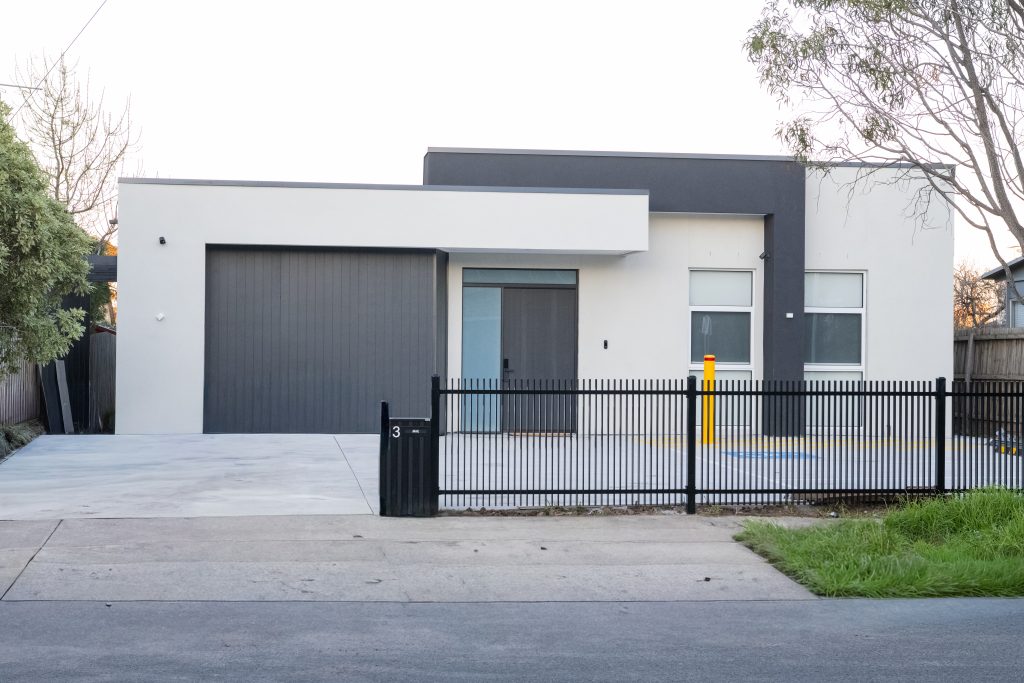
people renting rooms is when Victorian law treats a house as a rooming house
0
+
bedrooms is the limit under Victoria’s domestic scale planning exemption
0
is the floor area cap for that exemption and for a Class 1b building
0
m²
rents keep coming in when one room in a nine room house sits empty
0
of 9
The basics
What a rooming house actually is
Victoria’s Residential Tenancies Act treats a building as a rooming house when one or more rooms are rented out and four or more people live there. Each resident signs their own agreement for their own room, and everyone shares the kitchen, living area and laundry.
Most of the rooming houses we list have eight or nine bedrooms, each with its own ensuite. A purpose built house like this is usually a Class 1b building under the National Construction Code, the class that covers boarding style houses up to 300 m² with no more than 12 people living in them.
For you, the difference is simple. A standard rental has one lease and one rent. A rooming house has a lease and a rent for every room.
Who rents a room
- Students and people in their first job
- Singles who can’t justify the rent on a one-bedroom unit
- Workers who are new to Melbourne or here on contract
- People housed through community housing programs
On our current listings, an ensuite room rents for roughly $300 to $435 a week. The median Greater Melbourne unit is asking about $562 (September 2026). That price gap is why rooms with their own bathroom stay in demand.
The numbers
Where the extra income comes from
One lease per room means more rent from the same building, and an empty room only touches that room’s income. Here is one of our current listings worked through.
$375
a week per room. The nine rooms at our Deer Park listing rent for a combined $3,375 a week.
$175,500
a year in rent on a list price of $1,750,000. That is a 10% gross yield.
$78,750
is what the same $1.75 million earns in a year at Greater Melbourne’s average house yield of about 4.5%.
One empty room for a month costs you about $1,625. One empty standard rental for a month costs you the whole month’s rent. Deer Park figures as listed in October 2026. Gross yield is annual rent divided by price, before costs.
Standard rental vs rooming house
| Feature | Standard rental house | Rooming house |
|---|---|---|
| Leases | One, to one household | One per room, up to 9 rooms under Victoria’s planning exemption |
| When a tenant leaves | Rent stops until you find a new tenant | You lose one room’s rent. In a nine-room house, 8 of 9 rents keep coming in |
| Gross yield | About 4.5% for Greater Melbourne houses (HtAG, Sept 2026) | 7% to 12% across our current listings (Oct 2026) |
| Utilities | Usually paid by the tenant | Usually paid by the owner and built into the room rent |
| Rules | Residential Tenancies Act | The same Act’s rooming house provisions, plus an operator licence, council registration and minimum standards |
| Finance | Most lenders, deposits from 5% | Fewer lenders. Often assessed as commercial, with deposits commonly 20% to 40% |
| Management | Any residential property manager | A manager who specialises in rooming houses, at a higher fee |
| When you sell | Home buyers and investors | Mostly investors, so a smaller pool of buyers |
Our listings
Our rooming house listings, yield first
Gross yield, rent and price as published on each listing. Filter by what is for sale, what is under offer and what has sold, then tap a card for photos and the full details.
·Finished, for sale
·Sites with plans and permit
·Under offer
·Sold
·Average gross yield, finished listings for sale
For saleSite with plans and permitUnder offerSold
Loading our rooming house listings. If nothing shows up, see every rooming house listing here.
Figures are as published on each listing and are projections, not guarantees. Gross yield is annual rent divided by price, before costs. Sites show the land price, and their projected yield is calculated on land plus build.
Inside one
What a resident gets for $300 to $435 a week
Photos from our Laverton listing: eight rooms, each with its own ensuite and private courtyard, set around a shared kitchen and living area.
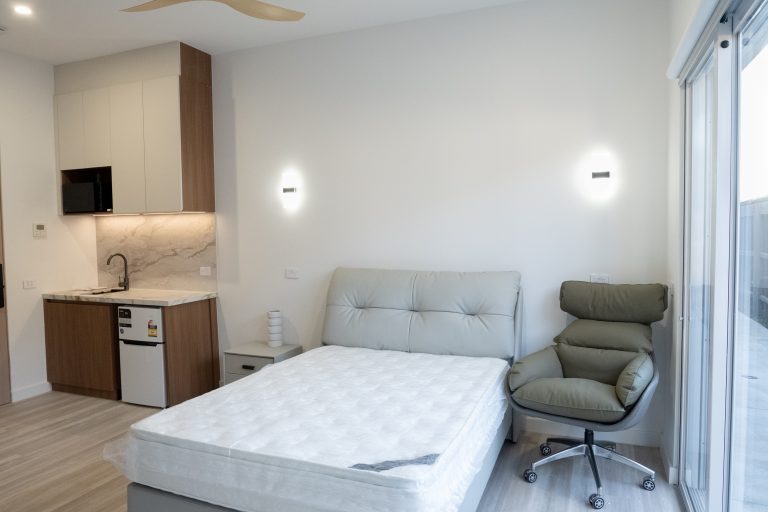
A private room that locks
Victoria’s standards require each room to lock from outside with a key and open from inside without one.
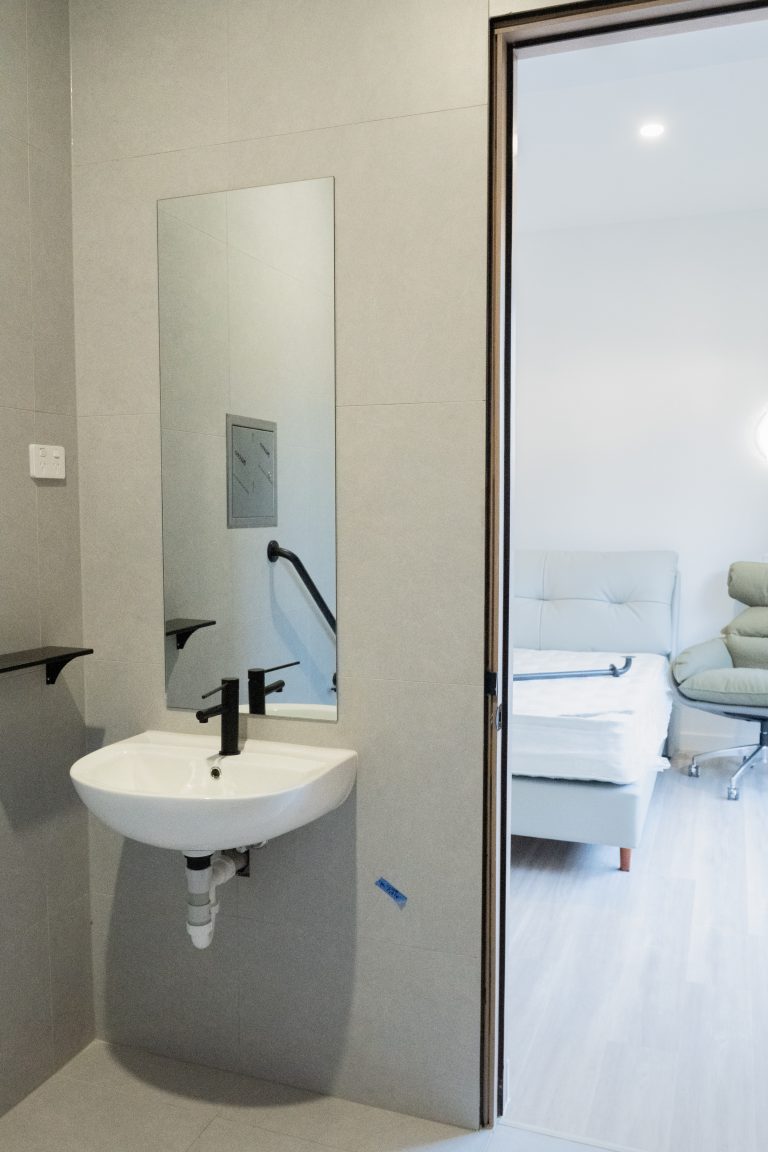
Their own ensuite
Shower, toilet and vanity for each room, so nobody queues for a shared bathroom.
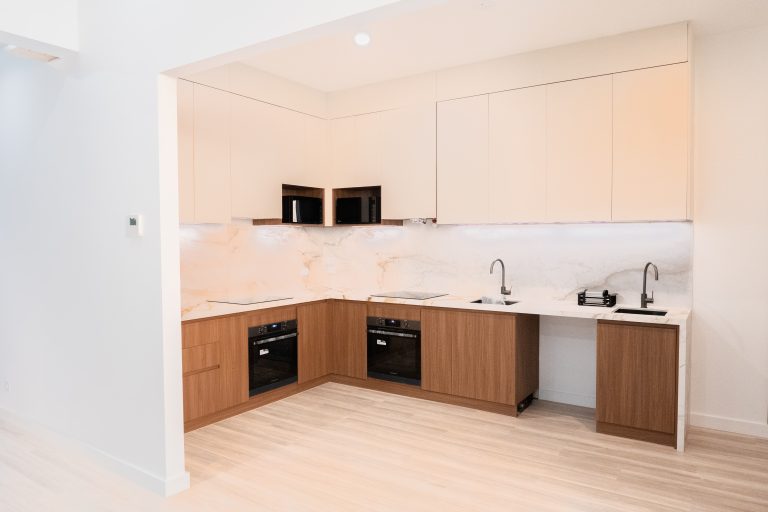
A shared kitchen
Fitted out for the whole house. The standards set minimum ovens, cooktops and fridge space by the number of residents.
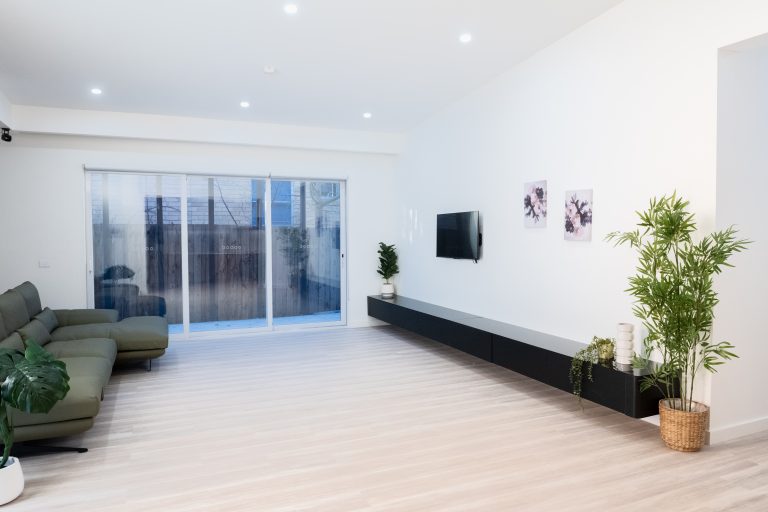
A shared living area
Somewhere to sit outside their own room. The planning exemption requires a shared kitchen and living area.
Your options
Buy finished, buy a site, or build
Pick the route that matches your budget and how soon you want rent coming in.
01
Buy a finished rooming house
Built and ready to lease, so rent can start soon after settlement. Our current finished listings range from $870,000 upto $2,350,000.
02
Buy a site with plans and permit
Land with approved plans and a permit for a rooming house already in place. You skip design and approvals and go straight to the build. Current sites start at $230,000 for the land.
03
Build one with our builders
Own a suitable block, or want us to find one? We connect you with builders from our network who build rooming houses to the Class 1b standard.
The rules
Victoria’s rooming house rules in plain English
Rooming houses carry more rules than a standard rental, and most of them exist to protect the people living there. Here is what applies and who is responsible for each part.
When it counts as a rooming house
Four or more people living in a building where rooms are rented out. The test counts people, so a house with only three leases can still qualify.
Planning
Clause 52.23 of the Victoria Planning Provisions removes the need for a planning permit in most residential zones when the house stays within 9 bedrooms, 12 residents and 300 m² of floor area, with bedrooms reached from inside and a shared kitchen and living area. Overlays can still trigger a permit, and you always need a building permit.
Building class
Under the National Construction Code, a boarding style house up to 300 m² with no more than 12 residents is a Class 1b building, with its own fire safety requirements. Go bigger and it becomes Class 3.
Operator licence
Whoever operates the house needs a rooming house operator licence from the Business Licensing Authority. It lasts 3 years and comes with a fit and proper person test. If you lease the whole building to a licensed operator, the licence is theirs to hold.
Council registration
The house must also be registered with the local council under the Public Health and Wellbeing Act. Council checks things like one toilet, shower and basin for every 10 residents and a minimum bedroom size of 7.5 m².
Minimum standards
The Rooming House Standards Regulations 2023 set what each room needs, including a door that locks, two power outlets, window coverings that block light and, since 1 December 2025, a fixed heater. Gas and electrical safety checks are due every 2 years.
Running a rooming house without a licence can cost an individual more than $50,000 in fines. This is a summary, not legal advice. Confirm your situation with Consumer Affairs Victoria, your council and a property lawyer before you buy.
How it works with ZRE
From first call to first rent
01
Start with a call
Mark goes through your budget, your borrowing and what you want the property to do. If a rooming house doesn’t suit you, he’ll say so. We’d rather lose a sale than see you buy the wrong property.
02
Pick your path
Finished house, approved site or a new build. We send the figures for each option that fits: price, rent per room and gross yield.
03
Finance and checks
Line up finance with a broker who has lent on rooming houses before, and we can introduce you. Your solicitor checks the permit, registration and compliance paperwork.
04
Settle or build
Settle on a finished house, or start construction on an approved site with a builder from our network.
05
Lease and manage
Rooms are leased one at a time on rooming house agreements. A specialist manager or licensed operator handles residents, inspections and compliance.
Straight talk
Who a rooming house suits, and who it doesn’t
It suits you if
- You want income from your property now and you’re happy to hold for the long term
- You have the equity or cash for a bigger deposit than a standard investment loan
- You’re fine paying a specialist to look after several residents for you
- You want one asset that helps carry the rest of your portfolio
It’s probably not for you if
- You need to borrow with a 5% to 10% deposit
- You might need to sell within a few years
- You planned to borrow through your SMSF. New SMSF loans for residential property have been banned since 10 August 2026, though a fund can still buy with cash
- You’d rather avoid licences, registrations and safety checks altogether
What gross yield should I expect?
Our current listings show gross yields from about 7% to just over 12%. Gross yield is the annual rent divided by the price. Your net return will be lower once you pay management, utilities, insurance, council fees, maintenance and loan costs. Ask Mark to walk you through the costs on any listing.
How much do rooms rent for?
On our current listings, rooms with their own ensuite rent for roughly $300 to $435 a week, depending on the suburb, room size and inclusions. Most rooming house rents include some or all of the utilities, so budget for those bills as the owner.
Do I need a rooming house licence?
Whoever operates the rooming house needs an operator licence from the Business Licensing Authority. If you run the house yourself, even with a manager, that is you. If you lease the whole building to a licensed operator, the licence sits with them. Get legal advice on which structure suits you.
Do I need a planning permit?
In most residential zones, not for a house that stays within 9 bedrooms, 12 residents and 300 m² of floor area, with bedrooms reached from inside and a shared kitchen and living area (Clause 52.23). Overlays on the land can still trigger a permit, and every build needs a building permit. Our plans and permit sites have approvals in place already.
Can I use a normal home loan?
Usually not on the same terms. Many lenders treat rooming houses as commercial or specialist lending, with deposits commonly 20% to 40% and higher rates than a standard investment loan. Some lenders assess smaller rooming houses as residential. A broker who has financed rooming houses before is worth the call.
Can my SMSF buy a rooming house?
With cash, yes. New borrowing through a limited recourse borrowing arrangement for residential property has been banned since 10 August 2026, while existing loans are protected. Speak to your SMSF adviser before you commit.
Who looks after the residents?
A rooming house manager or licensed operator. They find and screen residents, sign the individual agreements, organise maintenance and keep the house compliant. Expect higher fees than a standard rental, because there are more agreements and more turnover.
What happens when a room is empty?
You lose that room’s rent and nothing else. In a nine-room house, one empty room is about 11% of the income. In a standard rental, one vacancy is all of it.
Is a rooming house the same as co-living?
They overlap. Co-living usually describes newer shared homes with fewer rooms. Once four or more people rent rooms in the same building, Victorian law treats it as a rooming house either way. See our co-living builds if you want something smaller.
Who buys a rooming house when I sell?
Usually another investor. That pool is smaller than for a standard home, so a sale can take longer. A compliant house with steady tenants and clean records is the easiest kind to sell.
Free download
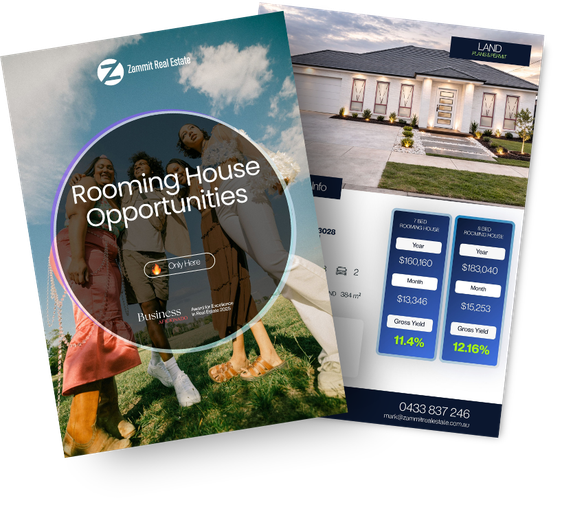
Get the rooming house brochure and our off-market sites
Our rooming house brochure in one download, plus access to the sites we have secured across Melbourne’s growth corridors before they go public.
Prefer a conversation? Text ROOMING to Mark on 0433 837 246.
Talk to Mark
Talk to Mark about rooming houses
Leave your details and Mark will call you back. Tell him your budget and what you want the property to do, and he will tell you straight whether a rooming house fits.

Mark Zammit
Director, Licensed Real Estate Agent

Get a call back
Three quick fields. Mark calls you back personally.
We only use your details to reply to this enquiry. Privacy policy.
General information only, not financial, tax or legal advice. Yields, rents and prices come from ZRE listings at the time they were published. Gross yield is annual rent divided by price, before costs, and is not a guarantee of future returns. Plans and permit sites show the land price, and their projected yields are calculated on land plus build. Melbourne market figures: HtAG Analytics, Greater Melbourne, September 2026. Rules summarised from Consumer Affairs Victoria, the Victoria Planning Provisions and Tenants Victoria, October 2026.

V81, 425 Smith Street Fitzroy 3065 VIC Australia
Exclusive ZRE Groups
©2026 Zammit Real Estate. All rights reserved.