


How To Build An Investment Portfolio Without Chasing Hype
ZReal Talk – Australian property for people who want strategy, not noise
Every market has its hype cycle. In Australian real estate, it’s usually some mix of “buy now before it’s too late,” “this suburb is the next big thing,” and “everyone’s moving here.” That kind of talk can create urgency, but it rarely creates a good portfolio. A strong investment portfolio is built on clear goals, a diversified strategy, and assets that still make sense when the crowd moves on.
The problem with hype is simple: it makes people buy for headlines instead of fundamentals. And once you’re buying emotionally, you stop asking the questions that actually matter — like yield, tenant demand, holding costs, borrowing buffers, and whether the property fits the rest of your portfolio.
Start With The Job. Each Asset Must Do

A good portfolio is not a pile of random properties. Every asset should have a job. One may be there for growth, another for cash flow, another for stability, and another to balance risk. That approach is more useful than chasing the hottest suburb or the most viral property type.
Before you buy, ask:
- Is this property meant to grow equity?
- Is it meant to pay down debt?
- Is it meant to support the rest of the portfolio?
- Does it still work if the market cools off?
If you can’t answer those clearly, you’re not building a portfolio you’re collecting stress.
Buy For Fundamentals, Not For Noise

Hype usually points to properties that look exciting on the surface. Fundamentals are quieter. They include real tenant demand, location strength, sensible entry price, and numbers that work without heroic assumptions. A property can look boring and still be a great portfolio piece; a property can look exciting and still drag down your returns.
That’s why seasoned investors often focus on assets with a clear reason to exist:
- High-demand rental areas.
- Properties that suit real tenants, not just buyers.
- Deals that match the investor’s time horizon and risk tolerance.
- Assets that can survive a rate rise, vacancy, or slower growth.
If the deal only works when everything goes perfectly, it’s not a portfolio builder. It’s a gamble wearing a nice blazer.
Diversify Like You Actually Mean It
A lot of investors say they want diversification, but what they really have is three similar properties in slightly different postcodes. Real diversification means thinking about asset type, geography, and purpose. It means not letting one market, one city, or one strategy decide your entire future.
A balanced portfolio might include:
- Growth-focused assets to build equity.
- Yield-focused assets to support cash flow.
- Properties in different locations or states to avoid one market doing all the heavy lifting.
- A mix of strategies so you’re not completely exposed to one trend.
The point is not to own everything. The point is to own the right mix for where you are in your journey.
Ignore The Crowd, Follow The Numbers

Hype sounds urgent. Numbers stay calm. That’s the difference. The most reliable investors are usually the ones who compare deals, stress-test assumptions, and know what they’re trying to achieve before they even open a listing.
Try this simple filter before your next purchase:
- What role does this property play in my portfolio?
- What happens if rents flatline for a year?
- What happens if rates stay higher for longer?
- Would I still buy this if nobody was talking about it online?
If the answers still make sense, you may have found a real asset. If not, keep moving.
A Better Way To Think About Portfolio Growth
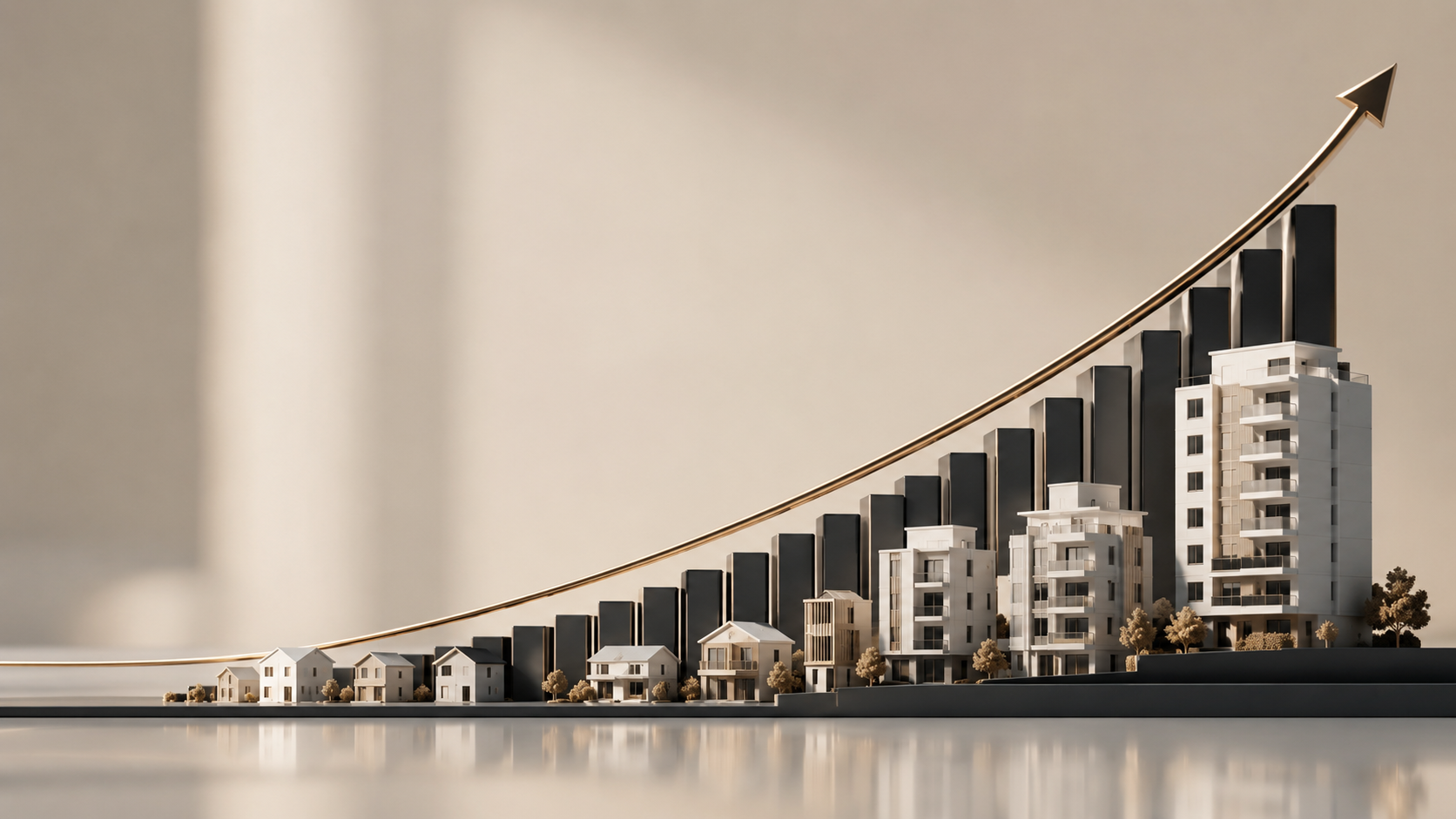
Strong portfolios usually grow in stages, not in hype-driven leaps. The first assets should help you learn the game, build equity, and keep your options open. Later purchases can add more complexity, but only after the base is solid.
That’s why the smartest investors often think in terms of:
- What this purchase unlocks next.
- How long they want to hold it.
- Whether it helps or harms borrowing capacity.
- Whether it fits the bigger plan, not just this month’s mood.
A portfolio built this way looks less flashy at first, but it holds up far better when the market changes.
ZReal Talk Takeaway
If you want to build a real investment portfolio, stop asking, “What’s hot right now?” and start asking, “What purpose does this asset serve?” That one shift turns property from a reaction into a strategy.
Hype fades. Fundamentals stay. And in Australian property, the investors who win in the long term are usually the ones who buy calmly while everyone else is busy chasing the latest shiny thing.
Reference: This article draws on broader portfolio-building principles around goals, diversification, and strategic asset allocation, adapted to Australian property investing.