



Why Some Brand-New Apartments Age Terribly In Just 5 Years
You’ve seen it.
A building launches with rooftop renders, latte-coloured interiors, and a brochure that looks like a lifestyle magazine. Five years later, you drive past and think: “Wait… is that the same place?”
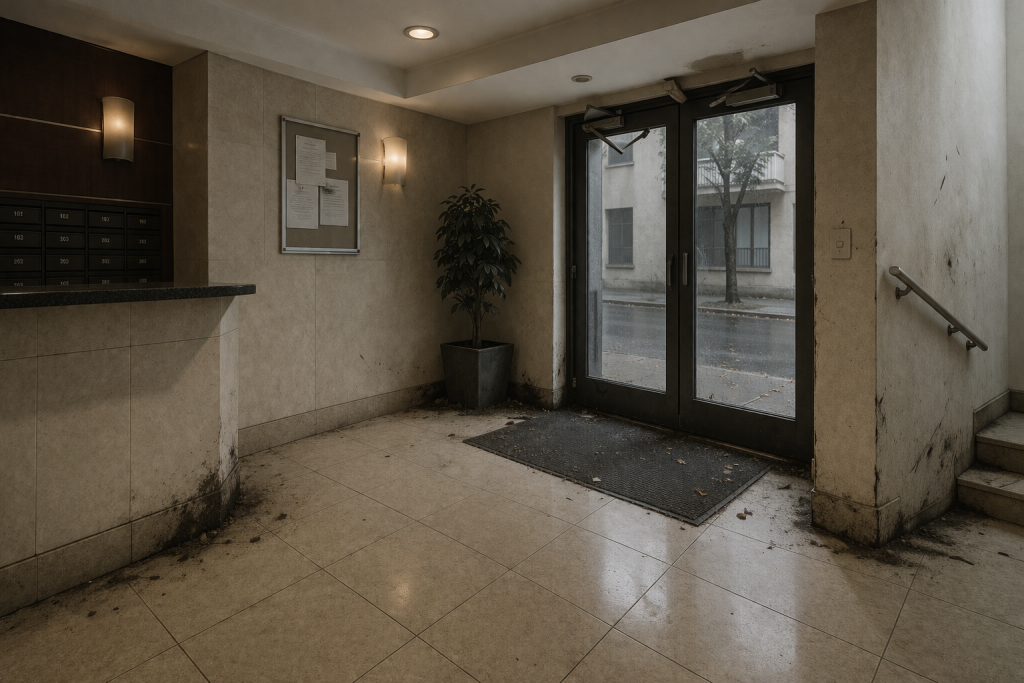
Stained cladding. Rust on the railings. Cracked tiles in the lobby. Elevators that feel like a trust exercise.
So, how does a “brand new, luxury” Australian apartment turn tired so fast?
Let’s pull the curtain back.
1. Built To Sell, Not Built To Last
A lot of new apartment projects are designed around one primary objective: looking good enough to sell off the plan.
That means:
- Money poured into kitchens, bathrooms and lobby aesthetics
- Less money in what you don’t see – waterproofing, structure, soundproofing, services
- Cheaper materials that photograph well but don’t handle real life
Result: the first three years look great. Then the “hidden” bits start talking – leaks, swelling joinery, hairline cracks, peeling paint. By year five, the building’s true quality starts to show, and it’s not pretty.
Question to ask before buying: “Who built this? What else have they built? What’s the defect history in those buildings?”
2. Race To The Bottom On Materials
Developers work on a feasibility sheet. Every decision has a margin column next to it.
Common shortcuts:
- Thinner plasterboard → more noise, easier damage
- Cheap tapware and fittings → look sleek, fail fast
- Low-grade carpets and flooring → flatten, stain, or warp quickly
- Basic paint systems on exterior → fade, stain and chalk within a few seasons
From a distance, it still looks “modern”. Up close, it looks tired – and it happens faster than buyers expect.
Reality check: If it feels flimsy on first inspection, imagine 5 years of tenants, kids, pets, and parties.
3. Body Corporate Fees: Low Now, Pain Later
A favourite selling line: “Low strata fees!”
It sounds great… until you realise:
- There’s no meaningful sinking fund
- Maintenance is chronically deferred
- When big works show up (paint, lifts, waterproofing), owners cop massive special levies
Buildings age poorly when they aren’t properly and consistently maintained. Low fees often mean just enough to keep the lights on, not enough to keep the building healthy.
Questions to ask:
- “What’s in the sinking fund right now?”
- “What major works are forecast in the next 5–10 years?”
- “Have there been any special levies yet?”
If the numbers look skinny and everyone brags about “cheap strata,” you might be looking at tomorrow’s problem child.
4. Design That Looks Cool, Lives Terribly
A building can be architecturally interesting yet a nightmare to live in.
Red flags:
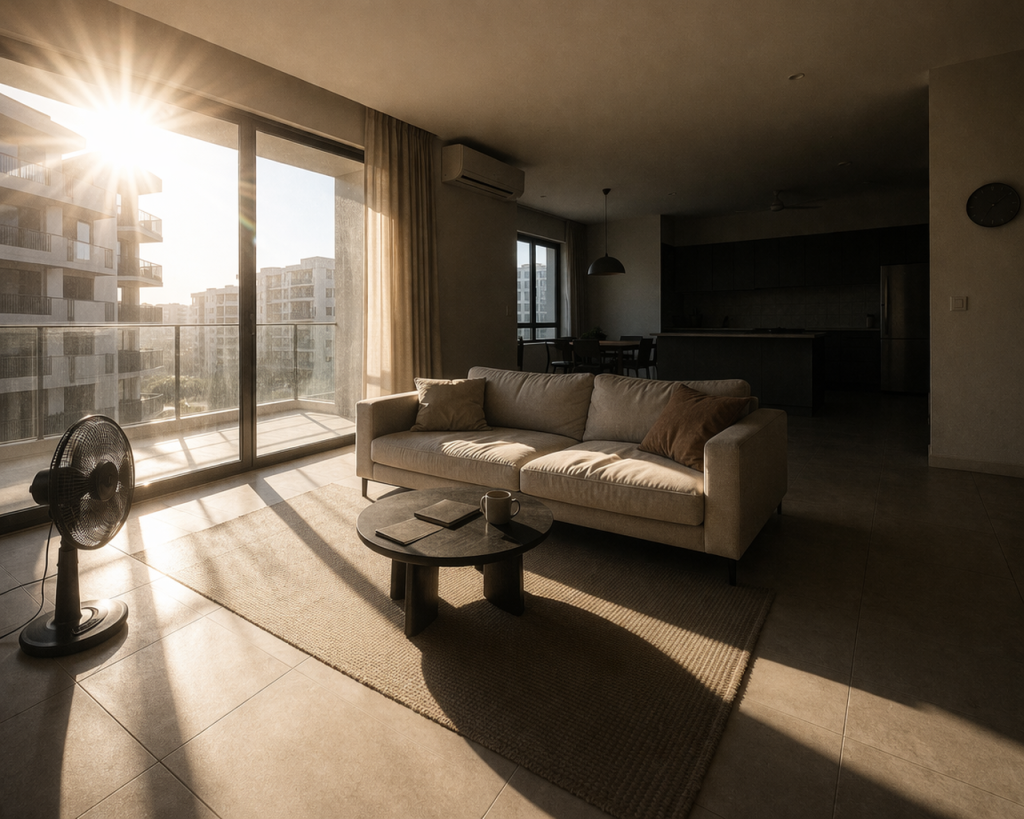
- Huge expanses of unshaded glass → baking hot in summer, freezing in winter
- Tiny balconies you can’t use, or none at all
- Internal bedrooms (no windows) rely on borrowed light
- Deep, narrow apartments where natural light never really reaches the back
Five years in, tenants churn quickly, owners try to sell, and the building develops a reputation: “nice on Instagram, annoying in real life.”
Gut-check: Stand in the apartment with everything turned off. Lights, aircon, all of it. Does it feel liveable, or like a showroom?
5. No One Thought About The Ground Floor
The way a building meets the street matters more than people think.
What ages badly:
- Dead, blank ground floors with no active frontage
- Awkward retail shells that never get leased, turning into empty boxes with “For Lease” signs forever
- Poor lighting and sightlines that make entries feel unsafe
Once a building develops a “dead” or “dodgy” ground-floor vibe, it drags perception of the whole place down – even if individual apartments are fine.
Look for: Cafés, small shops, or at least a well-designed, welcoming entrance rather than a bunker entry off a service lane.
6. The “Holiday Let” Effect
In some precincts, brand-new apartments quietly become short-stay central.
That can mean:
- High turnover of short-stay guests
- Suitcases, late-night noise, and lobby wear-and-tear
- Less pride in common spaces (because no one really “owns” the vibe)
Five years in, the building feels more like a hotel than a home. Owner-occupiers move out. Long-term renters look elsewhere. Values stagnate or slide.
Questions to ask:
- “Are there any restrictions on short-stay letting / Airbnb?”
- “What percentage of the building is owner-occupied vs investor vs short-stay?”
7. Poorly Managed Strata = Fast Decay
Even a solid building will age badly if the body corporate is chaotic.
Warning signs:
- Strata minutes are full of unresolved issues, arguments, and repeated complaints
- Basic things already neglected at 3–5 years old (lighting out, broken tiles, dirty lifts)
- No clear maintenance schedule or long-term plan
Good management is invisible. Bad management is on display in every scuffed wall and broken door closer.
Ask for the minutes. Actually read them. They tell you what the brochure won’t.
8. Overcrowded Amenities That Sound Better Than They Are
On paper:
- Rooftop pool
- Gym
- Residents’ lounge
- Co-working space
In reality, five years in:
- Pool with chipped tiles and constant “closed for maintenance” signs
- Gym with three machines that nobody fixes
- A lounge that never feels clean or comfortable
- High cleaning and maintenance costs… for things you barely use
If amenities are a key selling point, check how they’re being used and maintained now. If they already feel tired, imagine 5 more years.
9. Investor-Only Buildings With No Heart
There’s nothing wrong with investing. The problem comes when no one actually lives in the building long-term.
Buildings age terribly when:
- Everyone’s a tenant, no one feels responsible
- High turnover means constant move-ins/outs, increasing wear
- No sense of community, which often correlates with less respect for common areas
Mixed buildings – with a decent chunk of owner-occupiers – generally age better. People care more when they’re not just passing through.
Question: “Roughly what percentage of residents are owner-occupiers?”
10. The Vibe Is Off (And You Feel It)
This sounds soft, but it’s not. You can tell a lot in 10 minutes:
- How does the lobby feel? Clean, safe, cared for – or tired and slightly grim?
- Are the people you see in lifts and common areas relaxed, or clearly over it?
- Does walking through make you feel like you’re coming home – or cutting through a car park?
Your nervous system usually picks up “something’s off” before your brain gives it language. Don’t ignore that.
So… Should You Avoid All New Apartments?
Not at all. There are well-built, well-managed new apartment buildings in Australia. But the gap between brochure and reality is wide in this segment – and five years is often when the truth shows up.
The play isn’t “never buy new.” It’s:
- Ask better questions
- Look past the styling and into the structure, strata and street
- Remember that you’re not buying how it looks at settlement – you’re buying how it will feel (and perform) years 5, 10 and 15.
If a brand-new building already feels tired, underfunded, or chaotic, you don’t need to wait five years to see how it’ll age. The future is right in front of you.
And if you’re looking at a shiny new apartment and thinking, “Is this going to age well, or is this future regret?”, reach out. Sometimes all you need is someone who’s walked into enough bad lobbies to say, calmly: “This one? Let’s keep walking.”